
Conflict Prevention and Peace Building
Using sport as common ground where communities can meet, talk and resolve differences.
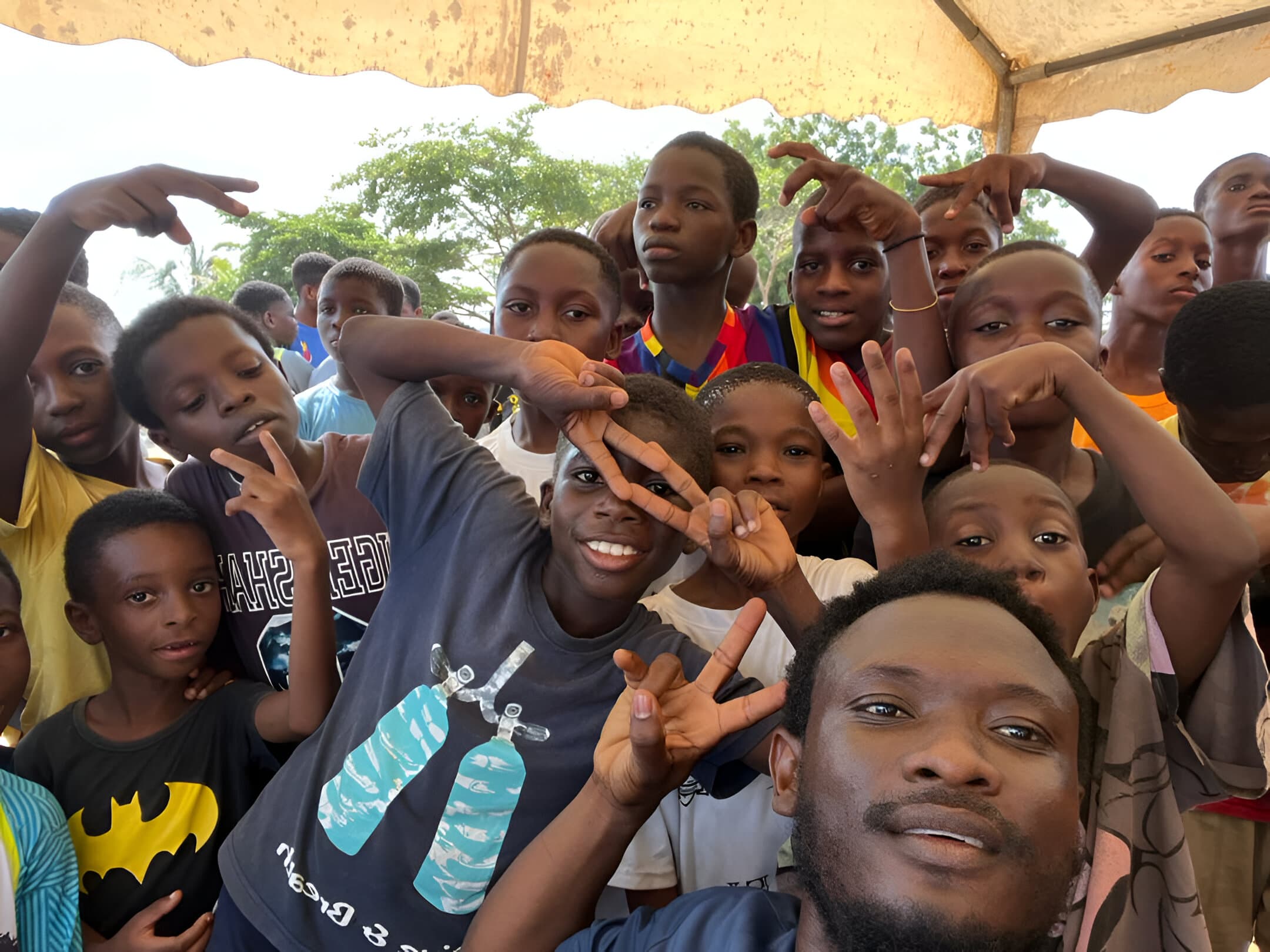
Communities in conflict rarely lack reasons to talk; they lack a setting where talking is normal. A match gives people a reason to be in the same place with a shared purpose, and that is often where the conversation becomes possible.
Common ground first
Sport does not resolve a dispute on its own, and claiming otherwise helps nobody. What it does is create contact — repeated, structured, low-stakes contact between people who otherwise avoid each other.
That contact is the precondition for everything else. Dialogue that starts from a shared afternoon goes further than dialogue that starts from a grievance.
Skills for resolving conflict
Games produce disagreement constantly — a bad tackle, a disputed call, a loss. That makes them a practical place to teach how disagreement is handled without it escalating.
We pair that with community dialogue sessions and youth leadership development, so that the people best placed to keep the peace locally have both the standing and the skills to do it.
What this programme does
- Sport as a setting for contact between divided groups
- Conflict resolution training built into sessions
- Community dialogue sessions
- Youth leadership development for local peace building
Our other initiatives
- Health, Physical Activity and NCD PreventionUsing sport and physical activity to promote health and reduce the risk of non-communicable diseases.
- Scholarships for Students in NeedScholarships and mentoring so that money is not what decides whether a young person finishes school.
- Education and Life SkillsUsing sport to teach leadership, teamwork, communication and problem solving.
- Social InclusionPlay that is open to everyone, as a practical way to reduce exclusion and discrimination.
- Gender Equity and EmpowermentCreating space for women and girls in sport, and the leadership that follows from it.